

Some days, even the simplest tasks feel like a lot.
You wake up already thinking about unanswered messages. Work takes longer than expected. You promise yourself you’ll exercise tomorrow, get organized next week, or finally start that new routine on Monday.
Then Monday comes, and life gets busy again.
Here’s something worth remembering: improving your life doesn’t have to mean completely changing it.
Small daily habits can make everyday life easier, healthier, and more intentional—especially when they’re simple enough to repeat. A short walk, a few minutes of focused attention, or a better evening routine might not look impressive on social media. But those small actions can help you build a lifestyle that works for you.
And you don’t need to start all ten habits at once.
In fact, that might be the worst way to begin.
Why Small Daily Habits Matter More Than Perfect Routines
There’s a popular belief that doing something for 21 days is enough to make it a habit. The research tells a more complicated story.
A 2024 systematic review and meta-analysis of habit formation examined 20 studies involving 2,601 participants. Researchers found that the time needed for health-related habits to become automatic varied considerably. In studies reporting the time to habit formation, median estimates were around 59–66 days, while some individuals needed much longer.
The takeaway isn’t that you need to count down to a magical deadline.
It’s that consistency, context, and choosing habits that fit your life matter more than chasing instant transformation.
A routine that takes two minutes and survives your busiest days can be more useful than an elaborate routine you abandon after a week.
Here are ten small habits worth trying.
1. Give Yourself Five Minutes Before Checking Your Phone
Time to start: 2–5 minutes
Picture two different mornings.
In the first, you open your eyes, reach for your phone, and immediately find messages, notifications, news, and someone else’s perfectly edited morning routine.
In the second, you wake up, sit comfortably, drink some water if you’re thirsty, and decide what kind of morning you want before opening an app.
Nothing dramatic has happened. But you’ve created a small moment in which your attention belongs to you.
You don’t have to stop using your phone in the morning. The goal is to make checking it a choice rather than an automatic reaction.
Try this tomorrow
Place your phone somewhere you can reach it without making it the first thing you touch. When you wake up, spend two minutes stretching, looking outside, or thinking about your first task.
If you use your phone as an alarm, simply dismiss the alarm and put it down again.
The tiny version: Wait until you’ve gotten out of bed before opening social media.
Avoid this mistake: Turning a helpful boundary into another reason to feel guilty. If you need your phone for work, family, or safety, adjust the habit accordingly.

2. Move Your Body Before You Feel Ready
Time to start: 5 minutes
You don’t need an expensive gym membership or a perfectly planned workout to move more.
A short walk around the block, a few minutes of stretching, or taking the stairs can be a reasonable starting point.
The Centers for Disease Control and Prevention recommends that adults aim for at least 150 minutes of moderate-intensity physical activity each week, along with muscle-strengthening activity on two days. But the agency also emphasizes that some physical activity is better than none.
That matters when your schedule is already crowded.
Five minutes isn’t the entire recommended weekly amount. It’s simply a manageable way to begin.
Make movement easier
Connect it to something you already do:
- Walk for five minutes after lunch.
- Stretch after brushing your teeth.
- Stand and move between long periods of desk work.
- Take a short walk while catching up with a friend.
The tiny version: Walk to the end of your street and back, or move around your room for two minutes.
Avoid this mistake: Assuming a short session doesn’t count because it isn’t a full workout.

3. Choose One Important Task Before the Day Gets Noisy
Time to start: 2 minutes
A long to-do list can make you feel productive and overwhelmed at the same time.
You might have fifteen things to do, but they probably don’t all deserve equal attention.
Before opening your inbox or jumping between tasks, ask yourself:
If I could finish just one meaningful thing today, what would it be?
Write down the answer.
Maybe it’s completing a work proposal, preparing for an exam, applying for a job, or making an overdue appointment.
Choosing one priority doesn’t mean ignoring everything else. It gives your day a starting point.
The one-task method
Write one sentence:
Today, my most important task is ________.
Then decide on the first physical action needed to begin it.
If the task is “finish my presentation,” your first action might be “open the file and outline the first three slides.”
That is much easier to start than a vague instruction to be productive.
The tiny version: Write down one priority and spend two minutes beginning it.
Avoid this mistake: Choosing the most intimidating task simply because it sounds impressive. Choose something that genuinely matters.
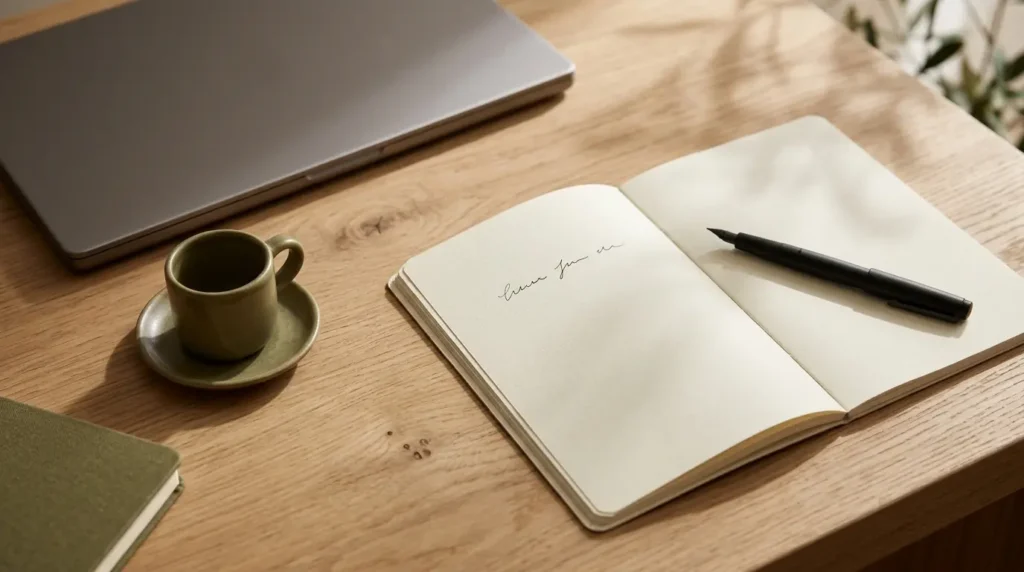
4. Learn Something for Just Ten Minutes
Time to start: 2–10 minutes
You don’t have to read fifty books a year to become a curious, well-informed person.
You can begin with ten minutes.
Read a few pages of a book. Listen to part of an educational podcast. Practice a language. Explore a topic you’ve always wanted to understand.
The important part is making learning something you regularly return to, not something you only do when you have an entire free afternoon.
Make it specific
Instead of saying, “I want to read more,” try:
“After dinner, I’ll read five pages.”
Instead of “I should learn a new skill,” try:
“Before opening social media, I’ll spend ten minutes practicing.”
Choose something you genuinely care about. Curiosity makes the routine more enjoyable.
The tiny version: Read one page or learn one new concept.
Avoid this mistake: Collecting courses, apps, and books without actually spending time learning.

5. Take a Short Break Before You Feel Completely Drained
Time to start: 2 minutes
It’s easy to sit at a desk for hours, moving from one tab to another without noticing how long you’ve been in the same position.
A small movement break can interrupt that pattern.
You might stand up, walk to another room, stretch comfortably, or step outside for a moment.
The CDC’s guidance to move more and sit less provides a useful reason to include movement throughout the day, even when you already have a separate exercise routine.
Build a natural reminder
Use an existing transition instead of setting a dozen alarms.
For example:
- After finishing a meeting, stand and move.
- After completing a focused work session, walk around.
- While waiting for something to load, relax your shoulders.
- After lunch, take a short stroll if you’re able.
The tiny version: Stand, change position, and move comfortably for two minutes.
Avoid this mistake: Treating breaks as something you must earn only after finishing every task.
If you have mobility limitations, adapt movement to your abilities and follow appropriate professional guidance.

6. Check One Small Money Decision Each Day
Time to start: 2 minutes
Improving your finances doesn’t always begin with earning more money or creating a complicated spreadsheet.
Sometimes it begins with paying attention.
Did you forget about a subscription? Are you buying something because you need it or because you’re bored? Is there a bill coming up that you should plan for?
You don’t have to judge every purchase. The goal is simply to understand where your money is going.
Try the two-minute money check
Once a day, review one thing:
- Your recent transactions
- An upcoming payment
- A subscription you rarely use
- A purchase you can delay until you’ve thought about it
- A small amount you might set aside, if your budget allows
You can use a notebook, your bank’s transaction history, or a budgeting tool.
If you’re interested in digital tools, TrendOutsider also has a guide to AI tools for personal finance management. Review the tools and their privacy implications before sharing financial information.
The tiny version: Check one transaction and ask whether it fits your priorities.
Avoid this mistake: Trying to save money by cutting essential expenses or making yourself feel ashamed of necessary purchases.

7. Reset One Small Space Instead of Cleaning Everything
Time to start: 2–5 minutes
A cluttered desk, overflowing bag, or crowded kitchen counter can make an ordinary task feel more frustrating.
But when you’re tired, the idea of organizing your entire home may be the last thing you want to hear.
So don’t organize the entire home.
Choose one small space.
Clear your desk. Put away the clothes on one chair. Wash a few dishes. Return the things on your bedside table to their places.
The goal isn’t a magazine-perfect room. It’s making tomorrow’s routine a little easier.
Use the one-space rule
Pick a space you use every day and spend five minutes resetting it.
Stop when the time is up if you need to. You can continue tomorrow.
The tiny version: Put away five things.
Avoid this mistake: Starting a huge decluttering project when you only intended to do a quick reset.

8. Give One Person Your Full Attention
Time to start: 5 minutes
Think about the last conversation you had while looking at your phone.
You may have heard every word. But were you really present?
Modern life makes divided attention feel normal. We reply to messages while eating, scroll while watching television, and check notifications during conversations.
A small daily habit is to give one person a few minutes of attention without trying to do something else at the same time.
It could be your partner, a friend, your child, a parent, or someone you haven’t spoken to properly in a while.
Make the moment count
Ask a genuine question:
“How was your day, really?”
“What’s been on your mind lately?”
“Is there anything you’re looking forward to?”
Then listen without rushing to give advice.
You don’t need a perfect conversation. You only need to be available for it.
The tiny version: Put your phone aside and ask one thoughtful question.
Avoid this mistake: Turning the conversation into an interview or expecting the other person to respond in a particular way.

9. Prepare One Thing for Tomorrow
Time to start: 2–5 minutes
Your future self doesn’t need a complicated productivity system.
Sometimes, they just need you to make tomorrow morning a little easier.
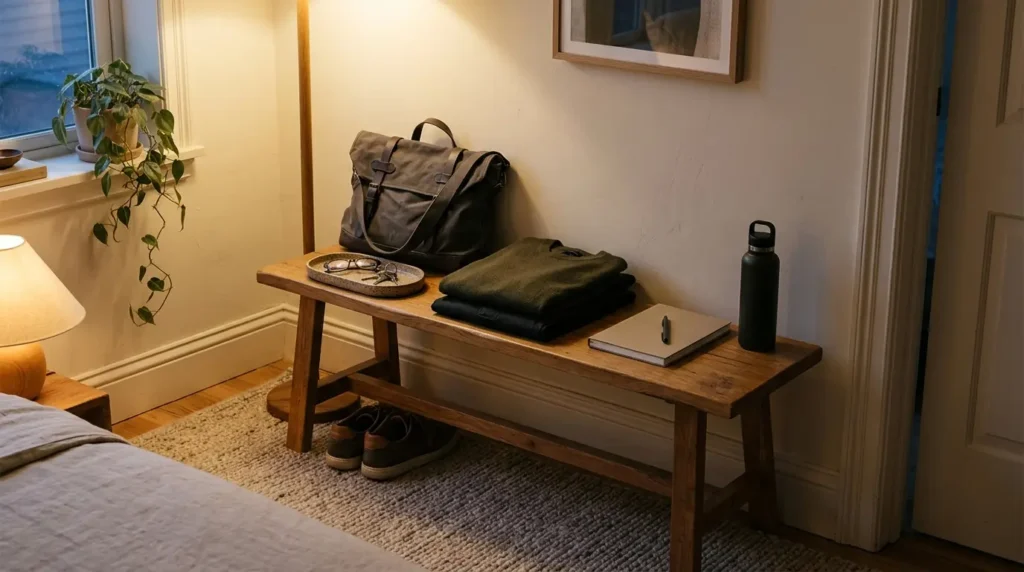
Lay out your clothes. Pack your bag. Fill a water bottle if appropriate. Write down your first task. Check the time of an appointment.
These actions are small, but they remove decisions from a moment when you might already be rushed.
Ask one evening question
What is one thing I can do tonight that will make tomorrow easier?
Choose a single answer.
If mornings are chaotic, prepare your essentials. If work feels overwhelming, write down the first step of your priority task.
The tiny version: Put one important item where you’ll need it.
Avoid this mistake: Spending so much time preparing for tomorrow that you delay going to sleep.
10. End Your Day With a Two-Minute Reflection
Time to start: 2 minutes
Not every day will feel successful.
Some days you’ll finish everything you planned. Other days, you’ll deal with unexpected problems, make mistakes, or simply run out of energy.
A short reflection can help you notice what happened without turning the evening into a performance review.
Ask yourself three questions:
- What went well today?
- What felt difficult?
- What is one thing I want to do differently tomorrow?
You can write the answers down or think about them quietly.
This isn’t about pretending every day was wonderful. It’s about paying attention to your experiences and learning from them.
Protect your sleep, too
Reflection shouldn’t become another late-night task.
The CDC’s sleep guidance recommends at least seven hours of sleep for adults aged 18–60 and emphasizes consistent sleep habits.
If journaling keeps you awake or makes you dwell on worries, make it shorter, do it earlier, or choose another calming routine.
The tiny version: Write one sentence about your day.
Avoid this mistake: Using reflection to criticize yourself for everything you didn’t accomplish.

The Seven-Day Challenge: Start Small, Stay Realistic
You don’t need to adopt all ten habits tomorrow morning.
Instead, use the next seven days to find one that fits your life.
| Day | Your challenge |
|---|---|
| Day 1 | Choose one habit from this article. |
| Day 2 | Make it small enough to complete in two minutes. |
| Day 3 | Connect it to something you already do. |
| Day 4 | Notice what makes it easy or difficult. |
| Day 5 | Adjust the timing or location if necessary. |
| Day 6 | Repeat it without trying to make it perfect. |
| Day 7 | Decide whether to continue, simplify, or choose a better-fitting habit. |
Important: Seven days is a starter challenge, not a scientific deadline for habit formation.
The research on habit development suggests that automatic behavior can take weeks or months to develop, with considerable individual differences. Missing a day doesn’t mean you have failed or need to start your entire life over.
What If You Keep Giving Up on New Habits?
First, consider whether the habit is too big.
“Exercise every morning for an hour” may be unrealistic if you’re already struggling to get enough sleep.
“Walk for five minutes after lunch” is a more approachable starting point.
Next, look at the environment.
If you want to read before bed, keep a book nearby. If you want to spend less time scrolling, move distracting apps away from your home screen. If you want to prepare for tomorrow, keep your bag or planner in a convenient place.
Finally, ask whether the habit actually matters to you.
A routine that looks impressive online isn’t necessarily the right routine for your life.
The best daily habit is one that is useful, realistic, and worth returning to.
Frequently Asked Questions
What are the best small daily habits to start with?
For many people, approachable options include taking a short walk, choosing one daily priority, keeping a consistent sleep schedule, reading for a few minutes, or preparing one thing for tomorrow. The best starting habit depends on your circumstances and what you want to improve.
Can small daily habits really change your life?
Small habits can support meaningful changes when they address real needs and are repeated consistently. Their effects vary, and no individual habit guarantees a particular outcome. It’s more useful to measure improvements in your own routine than to expect an overnight transformation.
How long does it take to build a daily habit?
There is no universal deadline. A 2024 systematic review found substantial differences in habit-formation time, with some health-related behaviors taking several months to become automatic. The popular 21-day rule is not a reliable guarantee.
Should I start all ten habits at once?
Probably not. Beginning with one or two manageable habits can make it easier to learn what works before adding more commitments.
What if I miss a day?
Resume when you can. Instead of treating a missed day as failure, consider whether the habit needs to be smaller, easier to remember, or better matched to your schedule.
What is the easiest daily habit for a busy person?
Choose something that takes two minutes and fits into an existing routine. Writing down tomorrow’s priority, putting away five items, or reading one page are practical examples.
A Better Life Doesn’t Have to Start With a Perfect Monday
You don’t need to become a different person overnight.
You don’t need a beautiful planner, an expensive course, or a morning routine that begins before sunrise.
You need a starting point that fits the life you actually have.
Maybe that’s a five-minute walk. Maybe it’s one uninterrupted conversation. Maybe it’s finally putting your phone down before the day begins.
Choose one small habit. Make it easy enough to repeat. Give yourself time to learn.
And when tomorrow arrives, begin again.
Your life doesn’t have to change all at once for you to start changing how you live it.
Editorial note: This article provides general lifestyle information, not individualized medical, mental-health, or financial advice. Adapt habits to your health, abilities, responsibilities, and circumstances. Original illustrations accompanying this article may be AI-generated and are intended as conceptual editorial imagery.









Leave a Reply